Understanding the Obstruction Rule in Softball: What Players, Coaches, and Fans Need to Know
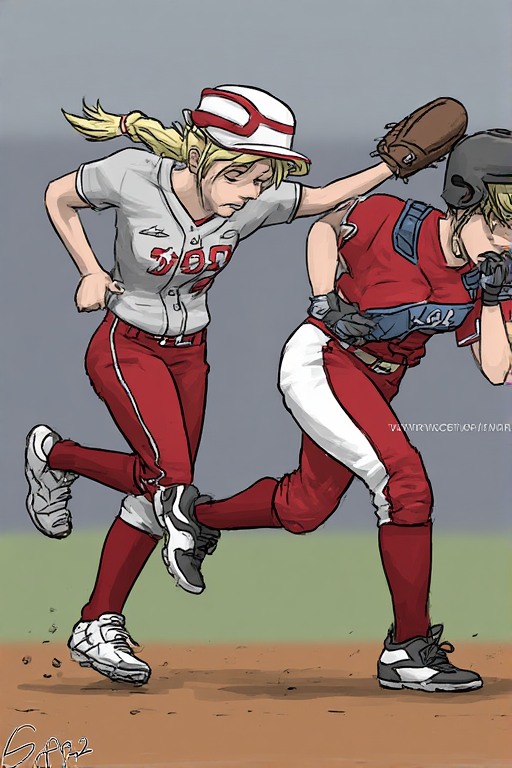
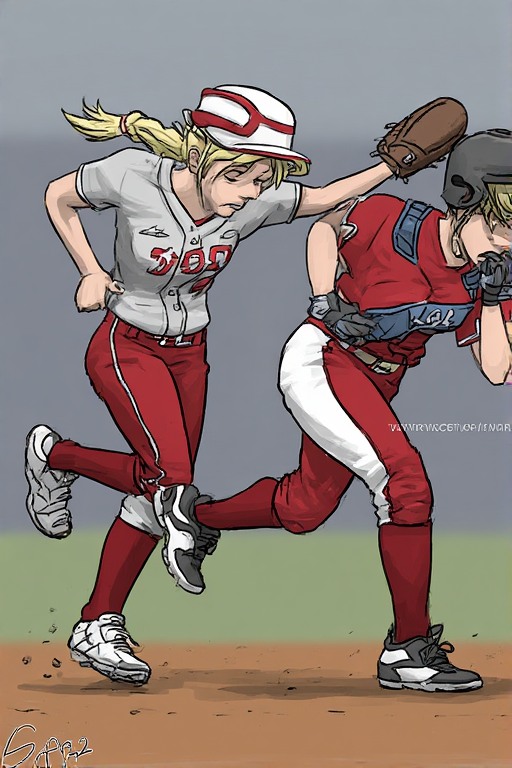
Softball’s obstruction rule has long been one of the sport’s most debated and inconsistently applied calls. In recent seasons, high profile plays—especially at the collegiate level—have highlighted how difficult it can be for umpires to judge whether a defensive player truly impeded a runner. In response, both the NCAA and NFHS have introduced clearer, more practical language for the 2025–2026 seasons. These updates aim to reduce overly technical calls, promote consistency, and ensure that obstruction is penalized only when it genuinely affects play.
COACHES ONLY
Coach K
4/8/20263 min read
The Online Diamond Academy is your new age tool for mastering fastpitch softball! We offer an impressive lineup of tools for parents, coaches and players! We offer everything softball from free recruiting profiles for ages as young as 8, beginning and advanced pitching / hitting / fielding courses online as well as one-on-one online training for players, parents and coaches. All of our softball services including camp info, online group and private lessons, and our sections dedicated to parents and coaches may be found on our website; onlinediamondacademy.com
Today, let’s talk about …
Why the Rule Needed Clarification
The NCAA Playing Rules Oversight Panel (PROP) acknowledged that postseason controversies demonstrated a need to refine the definition of obstruction. In several cases, fielders were penalized for minor foot placement or momentary positioning that did not actually hinder a runner’s progress. The updated rule now emphasizes the effect on the runner rather than the appearance of obstruction. Sports Illustrated
Similarly, the NFHS—governing most U.S. high school softball—released 2026 Points of Emphasis that reinforce the same principle: obstruction must involve a real impediment, not just questionable positioning. NFHS
The Updated Definition of Obstruction
Under the new NCAA language, obstruction occurs when a defensive player not in possession of the ball and not in the act of fielding a batted ball impedes a batter’s attempt to make contact with a pitch or impedes the progress of a runner. Importantly, this can be intentional or unintentional. Sports Illustrated
NFHS uses nearly identical wording, defining obstruction as any act—physical or verbal—that hinders a batter or runner, unless the defender has the ball or is making the initial play on a batted ball. NFHS
The Central Change: Actual Impediment Matters
The most significant shift in both rule sets is the emphasis on actual impact. According to NFHS, obstruction has not occurred unless the runner is truly affected—meaning they slow down, alter their path, hesitate, stop, retreat, or make contact with a fielder in a way that disrupts their movement. Mere presence in the base path is not enough. NFHS
This is a major departure from past interpretations, where even a fielder’s foot partially blocking the edge of a base could trigger an obstruction call, regardless of whether the runner was impeded.
Clarifying Base‑Blocking Situations
The NCAA’s 2026 clarification also addresses one of the most contentious issues: blocking the leading edge of a base. The new language specifies that obstruction occurs when a fielder blocks any part of the leading edge of first, second, third, or home plate without the ball, if that block prevents the runner from advancing or returning. This helps eliminate confusion about whether partial or momentary blocking counts. Discuss Fastpitch Softball Community
Fake Tags Remain Automatic Obstruction
Both NCAA and NFHS continue to treat fake tags as obstruction, even if the runner is not physically impeded. A fake tag—pretending to apply a tag without the ball—can cause hesitation or fear of contact, and therefore remains prohibited. NFHS
Why These Changes Matter
The updated rule aims to strike a balance between protecting runners and allowing defenders to make legitimate plays. By focusing on the runner’s actual experience rather than technical positioning, the rule:
Reduces unnecessary awards of bases
Encourages umpires to use judgment rather than rigid interpretation
Helps defenders play aggressively without fear of borderline obstruction calls
Promotes fairness by restoring runners only to the base they would have reached without interference
This last point is crucial: obstruction is not meant to reward the offense but to correct the disadvantage caused by the defense.
How Umpires Will Apply the Rule
Obstruction rulings remain situational and rely heavily on umpire judgment. NFHS emphasizes that the purpose of the award is to “nullify the negative effect of the obstruction,” not to impose a standardized penalty. Depending on the play, this may mean advancing the runner or returning them to a previous base. NFHS
Umpires are also encouraged to adjust their positioning to maintain an unobstructed view of plays—another area NFHS clarified in its 2026 guidance. NFHS
What Coaches and Players Should Emphasize Moving Forward
For defenders:
Avoid blocking any part of a base without the ball.
Stay out of the runner’s lane unless actively fielding.
Never use fake tags.
For runners:
Understand that you must actually be impeded for obstruction to be called.
Continue running through minor positioning issues unless they truly affect your path.
For coaches:
Teach players the difference between legal positioning and obstruction.
Encourage runners to maintain aggressive baserunning, knowing the rule now protects genuine impediment.
A Clearer, Fairer Future for the Game
The new obstruction rule represents a meaningful step toward consistency and fairness in softball. By centering the rule on actual impact rather than technicalities, both the NCAA and NFHS have created a more intuitive standard that better reflects the spirit of the game. As teams adapt, fans can expect fewer controversial calls and a smoother, more dynamic flow of play.
Interested in learning more? We host 6 week-long private online softball courses to learn at your convenience and in the comfort of your own home. In addition to our courses, we offer one-on-one lessons, recruitment profiles (free and paid), advice and news in the softball world. Online Diamond Academy is where players, parents and coaches get individual attention to perfect mechanics and ability to ask questions. Visit our website at the link below!
The Online Diamond Academy
We offer motivating, goal oriented and extensive online courses and lessons with fastpitch softball pitchers. These weekly step-by-step and one-on-one lessons offer a break down of the game at your pace and on your schedule. We thoroughly cover the most basic up to the most advanced techniques in all areas of softball including pitching, hitting, catching, fielding, conditioning, the mental game, coaching, softball parenting, statistical breakdown and more.
If you are interested in registering for one of our upcoming courses, would like more information or would like to become a member, please send us a message.
© 2026. All rights reserved.
Contact Us
Please submit the form below to register for camps, lessons, courses and our free recruitment profile.