Understanding Softball Classifications: A, B, and C And How to Know When It’s Time to Move Up
In youth and travel softball, the classification system—Class A, Class B, and Class C—exists to create fair, developmentally appropriate competition. But for many families and coaches, the distinctions between these divisions can feel confusing. What truly separates the classes? And how do you know when a team is ready to move up? Understanding these differences can help players develop at the right pace and ensure that teams compete in environments that challenge them without overwhelming them.
PARENTS ONLY
Coach K
4/12/20264 min read
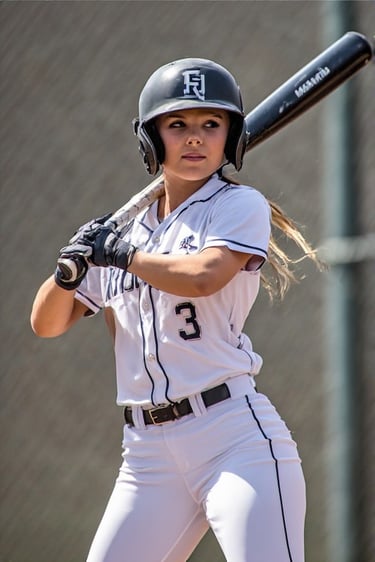
How do you know when you’re ready to move up in class? Any other differences you have noticed in different classes in travel like coaching, expectation, etc?
The Online Diamond Academy is your new age tool for mastering fastpitch softball! We offer an impressive lineup of tools for parents, coaches and players! We offer everything softball from free recruiting profiles for ages as young as 8, beginning and advanced pitching / hitting / fielding courses online as well as one-on-one online training for players, parents and coaches. All of our softball services including camp info, online group and private lessons, and our sections dedicated to parents and coaches may be found on our website; onlinediamondacademy.com
Today, let’s talk about …
Understanding Softball Classifications: A, B, and C — And How to Know When It’s Time to Move Up
In youth and travel softball, the classification system—Class A, Class B, and Class C—exists to create fair, developmentally appropriate competition. But for many families and coaches, the distinctions between these divisions can feel confusing. What truly separates the classes? And how do you know when a team is ready to move up? Understanding these differences can help players develop at the right pace and ensure that teams compete in environments that challenge them without overwhelming them.
Class C: The Developmental Foundation
Class C is the entry point for many young or newly formed travel teams. These teams often include players transitioning from recreational leagues or athletes still building foundational skills. The focus is on learning the game, gaining confidence, and experiencing competitive play without the intensity of higher divisions.
Class C tournaments are typically local, with minimal travel and lower costs. The atmosphere is supportive, and mistakes are treated as part of the learning process. Coaches in this division often emphasize fundamentals—throwing mechanics, basic defensive positioning, and consistent hitting—over advanced strategy.
When to move up from Class C:
A team may be ready for Class B when it consistently wins games by large margins, demonstrates strong fundamentals, and shows the ability to compete against more experienced opponents. If players are mastering the basics and beginning to crave more challenge, it’s a sign that Class C may no longer be the right fit.
Class B: The Competitive Middle Ground
Class B represents the broadest and most diverse level of travel softball. Teams in this division have moved beyond the developmental stage but may not yet have the depth, consistency, or intensity required for Class A. Skill levels vary, but most Class B teams have solid pitching, reliable defense, and hitters who can execute situational plays.
Competition in Class B is stronger and more structured. Tournaments may involve regional travel, and teams often face opponents with similar goals: to improve, compete, and grow. The environment is competitive but not cutthroat, making it ideal for players who want to push themselves without the pressure of elite-level expectations.
When to move up from Class B:
A team may be ready for Class A when it consistently performs at the top of Class B tournaments, shows depth in pitching and hitting, and demonstrates the ability to compete against established A-level teams in scrimmages or crossover events. Another indicator is player commitment—Class A requires more time, travel, and intensity, so the entire roster must be aligned with that level of dedication.
Class A: The Elite Level
Class A is the highest level of youth and travel softball. These teams feature advanced athletes with strong fundamentals, high softball IQ, and the ability to compete at a fast pace. Pitching is faster and more strategic, defenses are sharper, and hitters are capable of adjusting to elite pitching. Many Class A players aspire to play varsity or college softball, and the environment reflects those ambitions.
Class A tournaments often involve significant travel, including national events. Coaching tends to be more specialized, with an emphasis on advanced strategy, conditioning, and mental toughness. The expectations are high, and the competition is intense.
When to stay in Class A:
Teams should only enter Class A when they are prepared for the demands—both on and off the field. A team that moves up too soon may struggle with confidence, morale, and development. But for teams that are ready, Class A provides unmatched opportunities for growth and exposure.
How to Know When It’s Time to Move Up
Moving up a class is not just about winning games. It’s about readiness across several dimensions:
1. Consistent Performance
If a team is routinely dominating its current division—winning by wide margins, rarely being challenged, or finishing at the top of multiple tournaments—it’s a strong indicator that the competition level is no longer appropriate.
2. Depth of Skill
A team ready to move up has more than one strong pitcher, reliable defense across the field, and hitters who can adjust to stronger pitching. Depth matters more as competition intensifies.
3. Player Maturity and Commitment
Higher divisions require more focus, discipline, and time. A team is ready to move up when the majority of players—and their families—are committed to the increased demands.
4. Coach Readiness
Coaches must be prepared to teach advanced skills, manage higher-pressure situations, and guide players through tougher competition. A team can only rise as far as its coaching allows.
5. Desire for Challenge
Sometimes the clearest sign is simple: the players want more. When athletes crave tougher opponents and higher stakes, it’s often time to take the next step.
Finding the Right Fit
Ultimately, the goal is not to move up as quickly as possible—it’s to place players in an environment where they can grow, compete, and enjoy the game. Each class serves a purpose, and moving up should be a thoughtful decision based on readiness, not pressure. When teams find the right level, players thrive, confidence grows, and the love of the game stays strong.
Interested in learning more? We host 6 week-long private online softball courses to learn at your convenience and in the comfort of your own home. In addition to our courses, we offer one-on-one lessons, recruitment profiles (free and paid), advice and news in the softball world. Online Diamond Academy is where players, parents and coaches get individual attention to perfect mechanics and ability to ask questions. Contact us to discuss your goals!
The Online Diamond Academy
We offer motivating, goal oriented and extensive online courses and lessons with fastpitch softball pitchers. These weekly step-by-step and one-on-one lessons offer a break down of the game at your pace and on your schedule. We thoroughly cover the most basic up to the most advanced techniques in all areas of softball including pitching, hitting, catching, fielding, conditioning, the mental game, coaching, softball parenting, statistical breakdown and more.
If you are interested in registering for one of our upcoming courses, would like more information or would like to become a member, please send us a message.
© 2026. All rights reserved.
Contact Us
Please submit the form below to register for camps, lessons, courses and our free recruitment profile.